

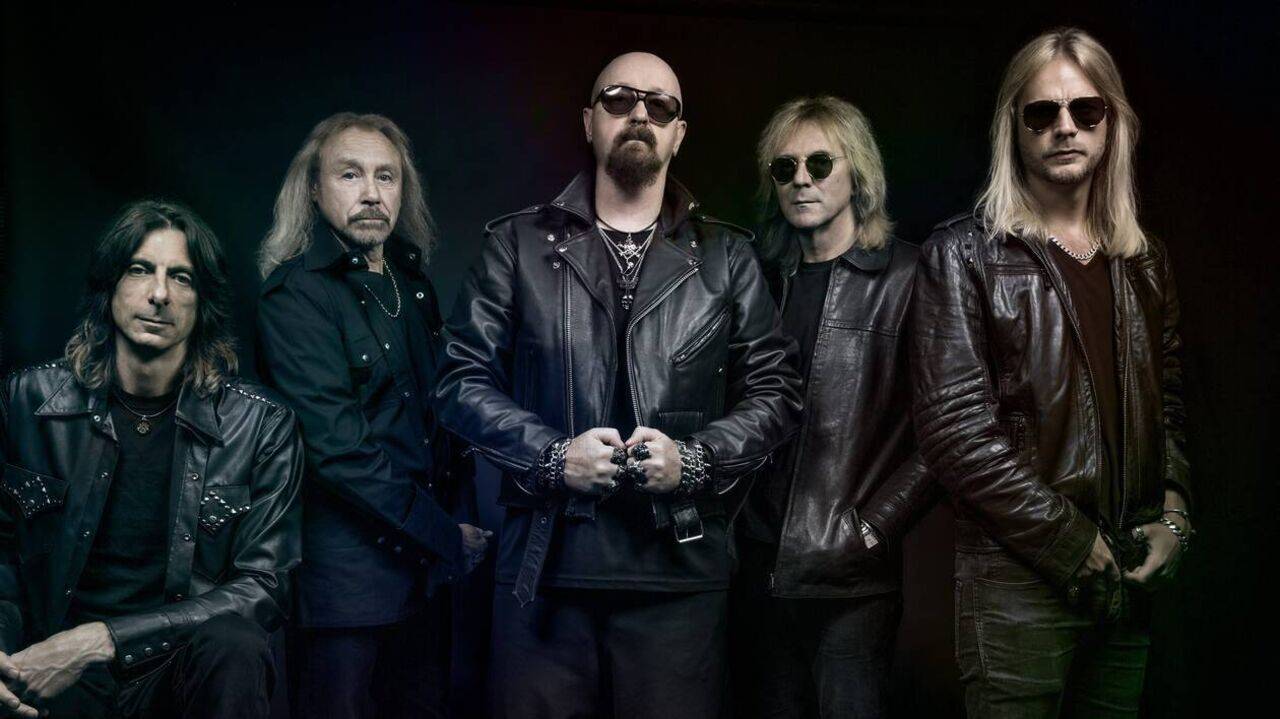
Judas Priest
Biography
Founded in 1971 in Birmingham by guitarist Kenneth Keith Downing and bassist Ian Hill, Judas Priest is one of the bands of the famous NWOBHM (New Wave Of British Heavy Metal). After many changes of drummers and singers, the band found a certain balance in 1973 with the arrival of John Hinch on the drums, and Rob Halford (Ian Hill's brother-in-law) on the vocals. The following year the band welcomed a second guitarist in the person of Glenn Tipton, and released his first album, Rocka Rolla , which was more than a mixed success.
In 1975 drummer Alan Moore - who had already been a short member of the band - replaced Hinch, and the band recorded Sad Wings Of Destiny, which was released in 1976, a big flop again. To change, drummer Alan Moore left the band in 1977 and was replaced by drummer Simon Phillips ( Jeff Beck, The Who, Joe Satriani ...) the time to record Judas Priest's first hit, Sin After Sin. Produced by Deep Purple bassist Roger Glover, this record remains one of the best in the band. From the following year Les Binks arrived at the battery and Priest recorded Stained Class and Hell Bent For Leather (Killing Machine in the UK) the same year. Following the successes, the band released Unleashed In The East , its first live performance in 1979. Excellent in studio but uncomfortable live, Les Binks ended up leaving Judas Priest and was replaced by Dave Holland in 1980. The 80s were very prolific for Judas Priest and saw the birth of British Steel (cult), Point Of Entry, Defender Of The Faith and Turbo albums. In 1986 a judicial case took the life of the group as it was brought before the courts. A young man asked to be killed by one of these friends, in relation to the words of Stained Class. The case was closed and the group continued its route. A new live came out in 1987 and somehow marked the decline of Priest's success. Then a new album was released in 1988, despite its quality, Ram It Down did not convince, the recipe faded and the audience turned to the new generation. After serving for nearly ten years for Judas Priest, Dave Holland was forced to leave the group for family reasons. A young fan of the band, Scott Travis, replaced him in 1990 and Priest took advantage of it to renew his repertoire by looking on the Thrash Metal side with the cult Painkiller , a veritable over-vitamin album that demonstrates all the talent of Travis.
1992 marks a turning point in the band's history since Rob Halford, in turn, left the band because of internal conflicts. Halford replaced Dio of Black Sabbath for a concert, then founded Fight in 1992 (in which Travis also played), and then Two before starting a solo career. As for Judas Priest, the band remained suspended until 1996, and the arrival of another young fan of Priest, Tim "The Ripper" Owens, to the song. With Owens the band recorded Jugalator (1997), the live Meltdown (1998), the mediocre Demolition (2001), and an umpteenth live in 2003. That same year Halford returned to Judas Priest, and Owens went to sing with Iced Earth. Finally, the band returned to the forefront in 2005 with Angel Of Retribution and a world tour. Thirty years after its beginnings, the group that has launched the fashion of leather, nails and big cylinders in the middle of Heavy Metal can boast of having, besides a beautiful career, influenced bands like Anthrax, Metallica or Slayer ...
Discography
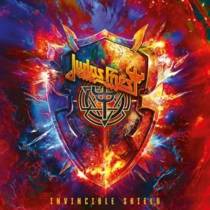
Invincible Shield
2024
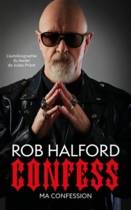
Confess : The Autobiography
2020
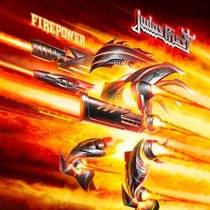
Firepower
2018
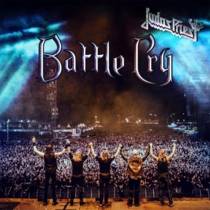
Battle Cry
2016
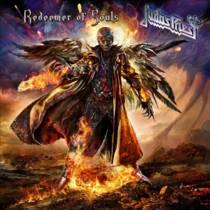
Redeemer Of Souls
2014
Epitaph
2013
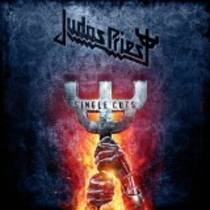
Single Cuts
2011
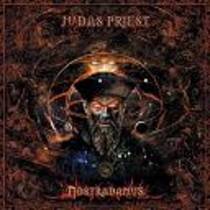
Nostradamus
2008
Rising in the East
2005
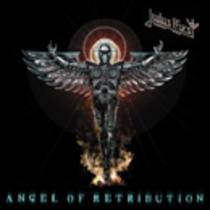
Angel Of Retribution
2005
Live In London
2003
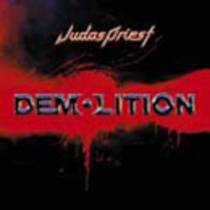
Demolition
2001
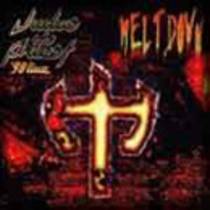
Meltdown
1998
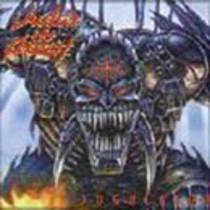
Jugulator
1997
Metal Works '73-'93
1993
Painkiller
1990
Ram It Down
1988
Priest... Live !
1987
Turbo
1986
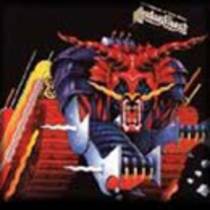
Defender Of The Faith
1984
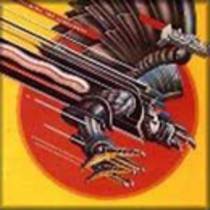
Screaming For Vengeance
1982
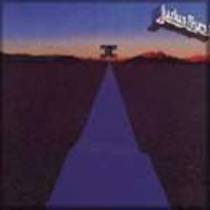
Point Of Entry
1981
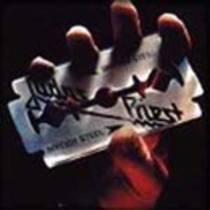
British Steel
1980
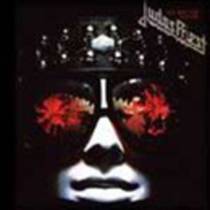
Hell Bent For Leather
1979
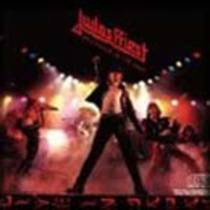
Unleashed In The East
1979
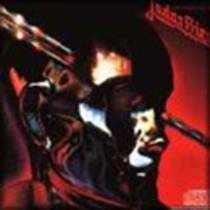
Stained Class
1978
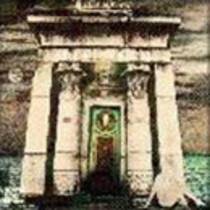
Sin After Sin
1977
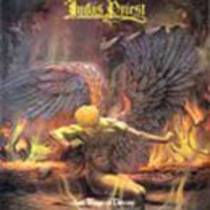
Sad Wings Of Destiny
1976
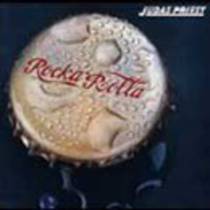
Rocka Rolla
1974